


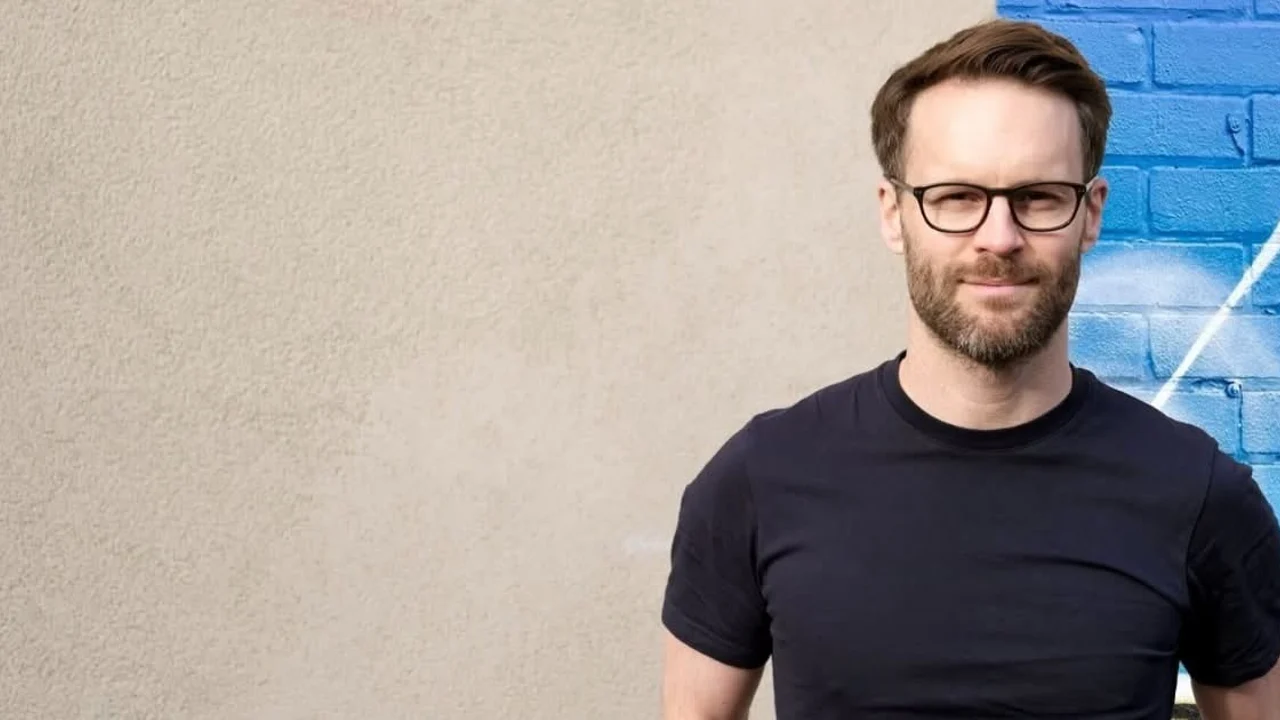


Who is Simon Pittman?
- Simon Pittman directs theatre. Not Broadway mega-productions, but the kind of regional and independent shows that actually keep live theatre alive. We're talking 3-5 productions per year, each one juggling 30-50 people across actors, designers, tech crew, and production staff.
- He's been directing professionally for over a decade, working across everything from intimate two-person dramas to full-scale musicals with orchestra pits and costume teams that need their own spreadsheets. The logistics are insane. Rehearsal schedules that shift constantly. Prop lists that grow from 20 items to 200. Costume fittings coordinated across multiple designers and actors who all have day jobs.
- What makes Simon interesting from a productivity angle is how he's adapted traditional theatre workflows to modern tools. Directors used to manage everything with binders full of printed scripts, handwritten blocking notes, and phone calls. Simon still keeps physical scripts, but the coordination layer runs entirely digital now.
- His Simon Pittman tools lean heavy on collaboration and automation. When you're coordinating that many people across different schedules and creative disciplines, manual tracking becomes impossible around week two of rehearsals. Notion databases replaced the chaos. Zapier handles the repetitive admin. Midjourney speeds up visual communication with designers.
- Everything below comes from interviews and behind-the-scenes looks at how he actually runs productions. This isn't theoretical productivity advice. It's the real stack keeping multiple shows on track simultaneously without everything collapsing into scheduling hell.
Managing Productions Without Losing Your Mind
- When people ask about Simon Pittman productivity apps, Notion is the foundation everything else builds on. Each production gets its own workspace. Databases for rehearsal schedules, blocking notes, prop tracking, costume management, cast contacts. All searchable, all shareable with the production team.
- The rehearsal calendar syncs with everyone's personal calendars. Costume database tracks fittings, alterations, and which pieces are ready versus still being built. Prop list shows what's been sourced, what needs to be made, and who's responsible for each item. When tech week hits and 50 things break simultaneously, the Notion setup is the only reason anything gets fixed in time.
- He tried Trello for this back in 2019. Too rigid. Every production is different and Trello's board structure kept fighting him. Notion's database flexibility lets him customize tracking for each show's specific chaos without rebuilding from scratch every time.
- Microsoft Loop handles real-time collaboration during production meetings. The creative team (set designer, lighting designer, costume designer, sound engineer) all jump in the same Loop workspace. Ideas get captured live. Decisions documented immediately. No more "wait, what did we decide about the Act 2 lighting cues?" three weeks later.
- Loop beats Google Docs for this because the components sync across different pages and spaces. A lighting cue note in the meeting workspace automatically appears in the tech rehearsal schedule. Saves tons of copy-paste and keeps everything connected.

Why Midjourney Changed Creative Direction
- Midjourney became one of the most important Simon Pittman tools in late 2023. Directors have always struggled communicating visual ideas to designers. You can describe "moody, expressionist, 1920s Berlin cabaret aesthetic" all day, but every designer pictures something totally different.
- Now Simon generates visual references in minutes. Feeds Midjourney prompts describing the mood, color palette, historical period, and emotional tone. Gets back concept images showing exactly what he's aiming for. The set designer sees it. The costume designer sees it. The lighting designer sees it. Everyone's literally looking at the same vision instead of guessing.
- This saves weeks of design iteration. Before Midjourney, the costume designer would sketch concepts based on verbal descriptions, present them in a meeting, realize they totally missed the vibe, then go back and redesign. Now they start from a concrete visual reference point and iterate from there.
- The tech crew loves it too. Lighting designers can see the desired atmosphere in the Midjourney images and plan color gels accordingly. Set builders understand the texture and materials. It's not replacing human creativity. It's giving everyone a shared starting point so creativity doesn't get wasted on miscommunication.

Automating The Admin Nightmare
- Theatre production involves a stupidly high amount of repetitive admin. Sending rehearsal schedules. Reminding actors about costume fittings. Notifying tech crew when scripts change. Updating calendars when rehearsal locations shift. Simon used to spend 10+ hours weekly on this stuff before discovering automation tools.
- Zapier handles the straightforward automations. New cast member added to the Notion database triggers a welcome email with rehearsal info, script access, and costume measurement form. Rehearsal scheduled in the calendar sends automatic reminders 24 hours before. Costume fitting marked complete notifies the director.
- He set these up once per production type. Now they run automatically for every show. The time savings are honestly ridiculous. What used to take 2 hours of manual emails now happens instantly.
- Make (formerly Integromat) handles the complex workflows Zapier can't manage cleanly. Multi-step automations that pull character data from scripts, update production timelines based on rehearsal progress, and send different notifications to directors versus stage managers versus actors based on their role.
- Example: When a scene gets fully blocked in rehearsal, Make updates the master timeline, notifies the stage manager to start coordinating tech elements for that scene, sends the blocking notes to the lighting designer, and adds the scene to the next run-through schedule. All triggered by Simon checking one box in Notion.
- ChatGPT got added to the Simon Pittman tech stack around mid-2024. Mostly for script analysis and administrative drafting. Paste in a script, ask for character breakdowns and thematic analysis. It's not replacing dramaturgical expertise, but it speeds up initial research from days to hours.
- Also uses it to draft rehearsal schedules and call sheets. Feed it the constraints (actor availability, scene complexity, venue access), get back a formatted schedule. Still requires human review and tweaking, but starts way ahead of building from scratch in Excel.

Frequently Asked Questions About Simon Pittman's Stack
What productivity apps does Simon Pittman use for theatre directing?
Notion is the central hub managing rehearsal schedules, blocking notes, prop lists, and costume tracking for each production. Microsoft Loop handles real-time collaboration during creative meetings. He also runs Zapier and Make for automating the repetitive admin work that used to eat 10+ hours weekly. The stack is built around coordinating 30-50 people without constant manual updates.
How does Simon Pittman use AI tools in theatre production?
Midjourney creates visual references for designers so everyone sees the same aesthetic vision instead of guessing from verbal descriptions. ChatGPT handles script analysis, character breakdowns, and drafting rehearsal schedules. Not replacing creativity, just speeding up research and admin that used to take days. The costume designer in particular loves having concrete visual starting points.
What automation tools does Simon Pittman use?
Zapier for simple automations like sending welcome emails when cast members join or reminding actors about costume fittings. Make handles complex multi-step workflows that Zapier can't manage cleanly, like updating production timelines and sending role-specific notifications based on rehearsal progress. Set them up once per production type, then they run automatically for every show.
Why does Simon Pittman use Notion instead of Trello?
He tried Trello back in 2019 and the rigid board structure kept fighting him. Every production is different and needs custom tracking. Notion's database flexibility lets him build exactly what each show needs without starting from scratch. Costume tracking for a period drama looks totally different than prop management for a modern play.
How does Simon Pittman communicate with designers and crew?
Microsoft Loop for real-time collaboration during production meetings. Ideas and decisions get captured live so there's no confusion three weeks later. Midjourney generates visual references showing the exact mood and aesthetic he's aiming for. Dropbox stores scripts, contracts, rehearsal videos, and production photos that everyone can access. The key is making information accessible without constant back-and-forth emails.
What makes Simon Pittman's tech stack different from traditional theatre workflows?
Traditional directors managed everything with binders, handwritten blocking notes, and phone calls. Simon keeps physical scripts but runs the entire coordination layer digitally. Notion replaces paper tracking systems. Automation handles repetitive admin. Midjourney speeds up visual communication with designers. The Simon Pittman tools prove you can run complex creative projects without drowning in spreadsheets and email chains.