


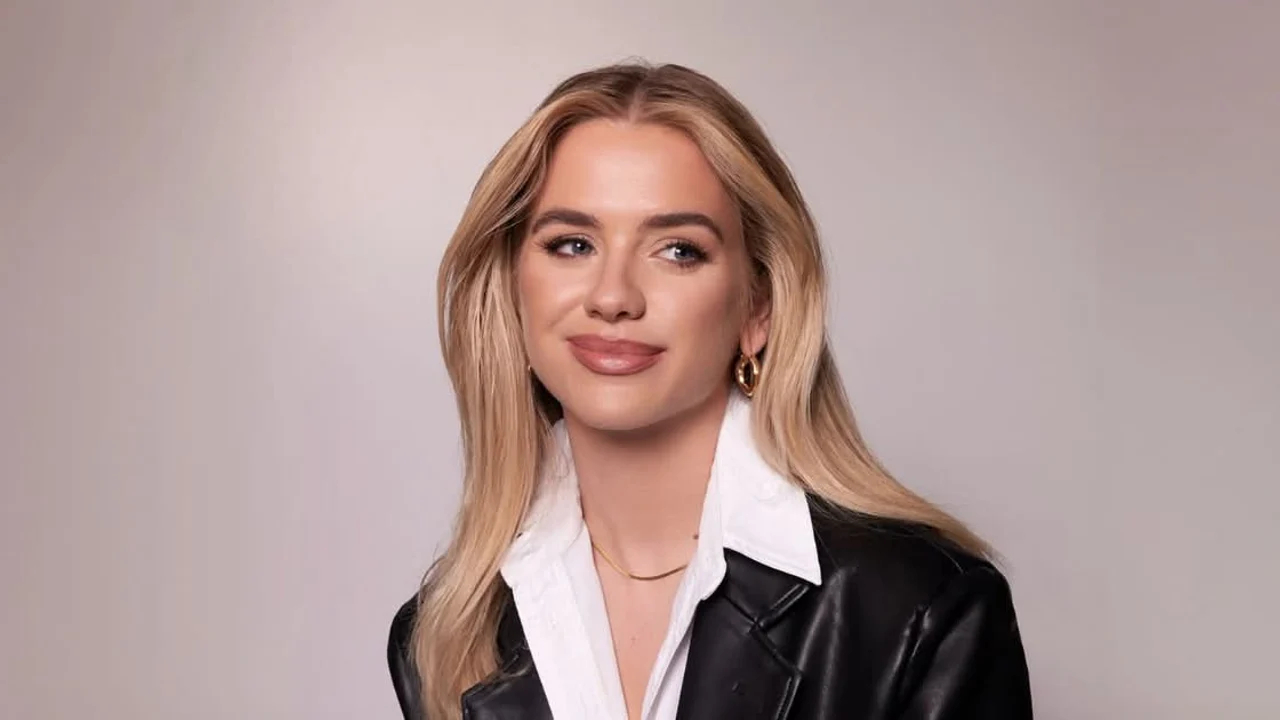


Who is Grace Beverley?
- Oxford University grad who turned down corporate careers to build sustainable fashion brands. Started TALA (her activewear company) at 21, then added Shreddy (workout app) and B_ND (resistance bands) before hitting 25.
- TALA pulls in millions annually by making sustainable activewear that doesn't look or feel cheap. The whole brand runs on recycled materials and ethical manufacturing, which was basically unheard of when she started back in 2019.
- Grace talks openly about anxiety and burnout, which is refreshing when most founders pretend everything's perfect. She's been vocal about therapy, setting boundaries, and not romanticizing the whole hustle culture thing that tech bros love.
- Her YouTube channel has 500k+ subscribers where she shares business advice mixed with realistic looks at running multiple companies. No fake morning routines where she wakes up at 4am to journal for 3 hours.
- The Grace Beverley tools list is shorter than you'd expect for someone juggling three brands. Just 4 core apps that get used daily. Everything else is either delegated or automated.
What Grace uses for AI & Strategy
- ChatGPT is one of the most-used Grace Beverley productivity apps. She's talked about it on her channel multiple times, especially for strategic planning across all three businesses.
- Product launches get stress-tested here first. Before pitching a new Shreddy feature or TALA collection to the team, she'll run it through ChatGPT to spot obvious flaws or market gaps. Saves hours in meetings where someone inevitably asks the question you should've thought of.
- Investor emails get drafted here too. Not the final version, but ChatGPT helps structure the argument when she's trying to explain why sustainable fashion deserves more funding despite tight margins. Then she rewrites it in her actual voice because AI still sounds robotic.
- Market research happens faster this way. Instead of spending weeks on competitor analysis, she asks ChatGPT to break down trends in sustainable fashion or fitness app engagement. Takes 10 minutes instead of 10 hours.
- She's mentioned keeping a library of saved prompts for recurring tasks. Things like "analyze this email for tone" or "brainstorm 10 Instagram caption ideas for this product." Building that prompt library over time makes the tool actually useful instead of just asking it to write generic fluff.

How Grace Stays Focused
- Forest is the app Grace uses when deep work actually needs to happen. Product design sessions, financial planning, strategy decks. Anything requiring more than 20 minutes of uninterrupted thinking.
- She runs 90-minute blocks. Phone locked, notifications silenced, just her and the task. The gamification helps because watching a virtual tree die when you pick up your phone feels surprisingly guilt-inducing.
- In a 2024 video she mentioned this was the only thing that stopped her checking Instagram during important work. Social media is literally her job (content creation drives TALA sales), but she still falls into the scroll trap like everyone else.
- The virtual forest grows over time as you complete sessions. It's stupidly motivating to see months of focused work represented as an actual forest. Silly? Maybe. Effective? Apparently yes.
- Grace also mentioned using Forest during gym sessions to avoid the temptation of filming everything for content. Sometimes a workout is just a workout, not content to monetize.

How Grace Organizes Three Businesses
- Notion is where the Grace Beverley tech stack gets serious. Running TALA, Shreddy, and B_ND simultaneously requires more than a to-do list and good vibes.
- Each brand gets its own workspace. TALA's production schedules (fabric sourcing, manufacturing timelines, shipping logistics) live separately from Shreddy's feature roadmap (app updates, workout content, subscription metrics). Keeps things from bleeding together when you're switching contexts 20 times a day.
- Team collaboration happens here too. Designers, developers, and operations people all have access to their relevant databases. No more emailing spreadsheets back and forth or hunting through Slack for that one message from three weeks ago.
- Product launches get their own project pages with timelines, budgets, and task assignments. When TALA drops a new collection, there's probably 50+ moving pieces tracked in Notion. Marketing campaigns, influencer partnerships, inventory management, customer service prep.
- She's mentioned using linked databases to see how decisions in one business affect the others. If Shreddy needs more development resources, that impacts B_ND's roadmap. Notion makes those trade-offs visible instead of hidden until something breaks.
- The templates get reused constantly. New product launch? Copy last quarter's template and adjust. New hire onboarding? Standard checklist already exists. After 5+ years of building brands, she's not reinventing wheels anymore.

The Workout App She Actually Uses
- Shreddy is Grace's own product, which makes this almost too obvious to mention. But she genuinely uses it daily, both as the founder testing new features and as a regular user tracking her own fitness.
- Beta features hit her account first. Before any update goes public, she's stress-testing it during actual workouts. If something feels clunky or the UI is confusing, it gets flagged before thousands of users complain about it.
- The app tracks workouts, provides programs for different goals (strength, toning, weight loss), and includes meal planning. Grace built it because she got tired of hopping between 5 different apps to handle things one tool should do.
- She's talked about how using your own product keeps you connected to the user experience. When you're deep in spreadsheets and investor decks all day, it's easy to forget what actually matters to the people paying for your app.
- Personal fitness goals get tracked here too. Running three companies while maintaining some semblance of wellness requires structure. Shreddy provides that without needing a personal trainer on call 24/7.
- The subscription model means she's constantly thinking about retention. If users aren't seeing results or finding value, they cancel. Using the app herself forces honest feedback instead of just looking at retention metrics from a distance.

Why Just 4 Apps?
- Grace runs three companies with a core stack of just 4 tools. That's not an accident. It's intentional minimalism to avoid tool bloat that plagues most startups.
- Each app solves a specific problem. ChatGPT for strategy and ideation. Forest for focus. Notion for organization across all brands. Shreddy for personal wellness and product testing. No overlap, no redundancy.
- Everything else gets delegated to team members or automated through integrations. Email management? Assistant handles it. Social media scheduling? Marketing team's job. Customer support? Dedicated CS software that Grace doesn't need to touch daily.
- She's talked about how every new tool adds mental overhead. Learning it, maintaining it, remembering to check it. When you're already juggling three businesses, a YouTube channel, and trying not to burn out, that overhead adds up fast.
- The Grace Beverley productivity apps list stays short by design. If a new tool can't clearly replace something or solve a major pain point, it doesn't make the cut. Ruthless prioritization applied to software, not just business decisions.
Frequently Asked Questions About Grace Beverley's Stack
What apps does Grace Beverley use for her businesses?
Grace runs TALA, Shreddy, and B_ND with just 4 core apps. Notion handles organization across all three brands with separate workspaces for each. ChatGPT gets used for strategic planning and product ideation. Forest blocks distractions during deep work sessions. And she uses Shreddy (her own workout app) daily for both testing features and personal fitness tracking.
How does Grace Beverley stay focused while running multiple companies?
Forest is her go-to for focus. She runs 90-minute deep work blocks with her phone completely locked. In a 2024 video she mentioned it's the only thing that stops her from checking Instagram during important work. The gamification aspect (watching virtual trees die if you pick up your phone) sounds silly but apparently works really well when you're juggling three businesses and constant notifications.
What productivity tools does Grace Beverley recommend?
Her stack is intentionally minimal. The Grace Beverley productivity apps list includes Notion for cross-business organization, ChatGPT for strategy and market research, Forest for distraction-free work sessions, and Shreddy for fitness tracking. She's vocal about avoiding tool bloat and only using software that solves specific problems without overlap.
Does Grace Beverley use her own app Shreddy?
Yeah, she uses it daily. Beta features hit her account first so she can test them during actual workouts before they go public. It's both personal use (tracking her own fitness goals) and product testing (making sure new features actually work and don't feel clunky). She's mentioned how using your own product keeps you connected to what users actually care about instead of just staring at retention metrics.
How does Grace Beverley organize TALA, Shreddy, and B_ND?
Everything lives in Notion with separate workspaces for each brand. TALA's production schedules stay separate from Shreddy's feature roadmap and B_ND's inventory tracking. She uses linked databases to see how decisions in one business affect the others. Product launches get their own project pages with timelines, budgets, and task assignments. After 5+ years of building brands, she's reusing templates constantly instead of starting from scratch every time.
What makes Grace Beverley's tech stack different?
It's aggressively minimal. Just 4 core tools with zero overlap. Most founders have 20+ apps doing similar things. Grace delegates or automates everything that doesn't require her specific brain. Email management? Assistant. Social media? Marketing team. Customer support? Dedicated CS software she never touches. The whole philosophy is ruthless prioritization applied to software choices, not just business decisions.